Published 29 January 2026
Proven 9 Products Used in Seborrheic Dermatitis Care
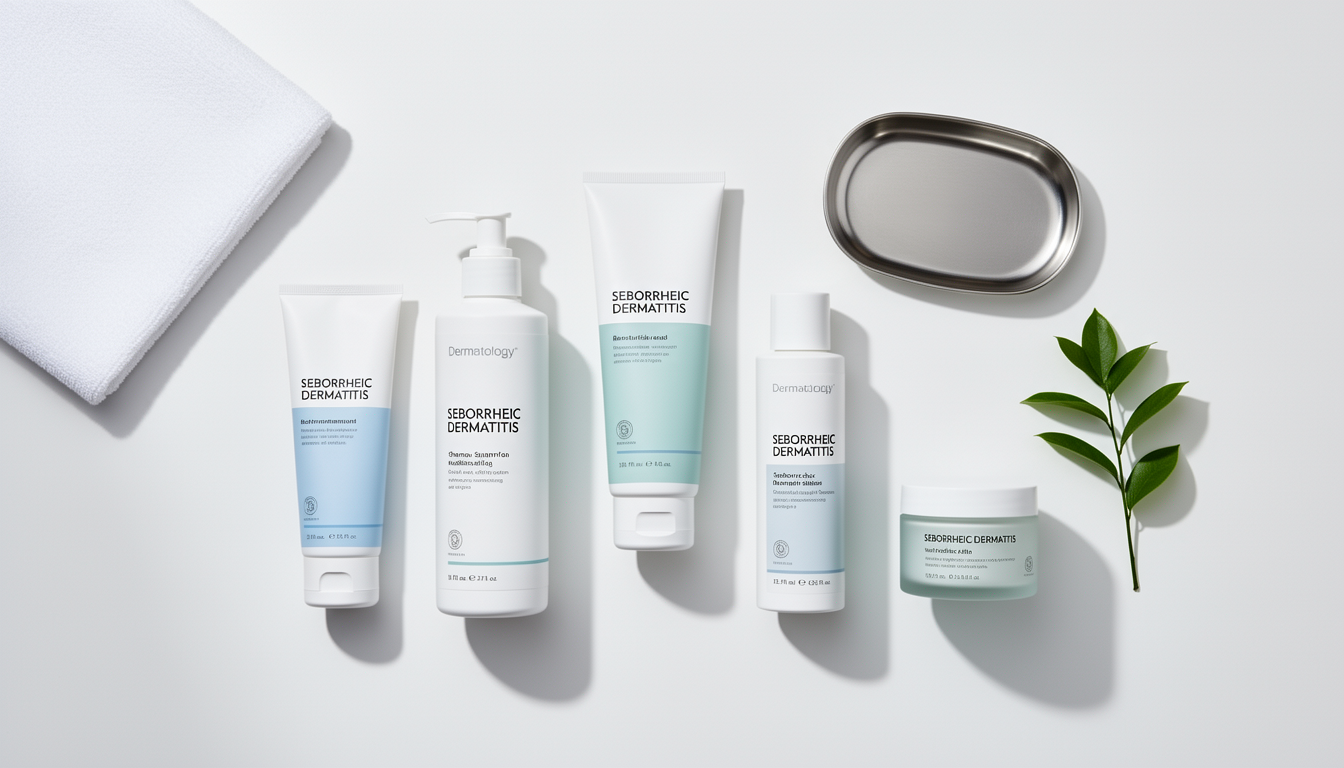
Seborrheic dermatitis is a common, long-lasting inflammatory skin disorder that tends to appear where sebaceous glands are dense — the scalp, face, and chest. It shows up as red, itchy patches with greasy, yellowish scaling and can be a recurring nuisance. Managing it well means following a steady skincare routine and choosing products with active ingredients that target yeast overgrowth, calm inflammation, and help rebuild the skin barrier. This evidence-informed list walks through effective choices, from targeted therapies to everyday soothing products, to help you manage the condition.
1. EMUAIDMAX First Aid Ointment
For rapid, concentrated relief, EMUAIDMAX First Aid Ointment is formulated to tackle severe skin issues, including the symptoms of seborrheic dermatitis. The ointment aims to ease pain and inflammation while addressing bacterial and fungal concerns.
Its formulation includes concentrated medical-grade components such as Argentum Metallicum (Colloidal Silver) for antibacterial and antimicrobial activity, plus Emu Oil and Tea Tree Oil. Additional ingredients—Lactobacillus Ferment, Vitamin E, Phytosphingosine, Ceramide 3, and Allantoin—support skin repair and reduce irritation. EMUAIDMAX is promoted as anti-bacterial, anti-fungal, non-steroidal, and chemical-free; it’s marketed for use across ages and as compatible with other treatments. Users report noticeable drops in redness, itching, and flaking, with some seeing changes within 24 hours. Although some mention a higher price, many feel the results justify the cost, and customer ratings average about 4.2 out of 5 stars.
2. Pyrithione Zinc Cleansers and Shampoos
Pyrithione zinc is commonly recommended for seborrheic dermatitis because it has antifungal, antibacterial, and antimicrobial effects. It helps suppress the yeast that contributes to dandruff and seborrheic dermatitis.
Available as shampoos, face washes, and bar soaps, pyrithione zinc reduces redness, itching, and flaking on the scalp and face. The National Eczema Foundation suggests using a 2% zinc pyrithione cleanser daily for mild cases, followed by a moisturizer. Typical product strengths run from 1% to 2%, and many users find them effective for persistent issues. The ingredient’s fine particles can remain on skin after rinsing, extending its action. Many over-the-counter choices cost roughly $7-$15.
3. Ketoconazole 1% Shampoos
Ketoconazole is a potent antifungal commonly included in anti-dandruff shampoos and is a frontline option for scalp seborrheic dermatitis. It reduces overgrowth of Malassezia yeast, which often triggers the inflammation.
Dermatologists frequently recommend 1% ketoconazole shampoos to address flaking, scaling, and itching. For best effect, leave the shampoo on for the suggested time before rinsing. Regular use can clear symptoms significantly, and some people rotate it with other actives to avoid reduced responsiveness. Over-the-counter products like Nizoral A-D are usually priced between $10-$20.
4. Selenium Sulfide Shampoos
Selenium sulfide is another effective antifungal used in anti-dandruff shampoos, especially for tougher dandruff and seborrheic dermatitis. It slows yeast growth on the scalp and body.
Shampoos containing selenium sulfide, such as Selsun Blue, can remove visible flakes and relieve intense itching, dryness, and scalp irritation. They work well but can irritate if left on too long and may discolor light-colored hair. These shampoos generally cost about $8-$15 and are a solid choice for harder-to-treat symptoms.
5. Salicylic Acid Cleansers
Salicylic acid, a beta-hydroxy acid, offers anti-inflammatory, antibacterial, and antifungal benefits while helping to exfoliate the skin and prevent buildup of oil and dead cells that cause scaling.
Cleansers like CeraVe Renewing SA Cleanser provide gentle exfoliation without stripping the skin’s protective barrier, leaving skin smoother. They’re particularly helpful for facial seborrheic dermatitis to reduce flaking and manage oil. Many users notice improved texture and fewer breakouts. Salicylic acid cleansers are widely available over the counter for around $10-$20.
6. Coal Tar Shampoos
Coal tar shampoos have a long history in treating scalp conditions, including seborrheic dermatitis and psoriasis. Studies suggest coal tar reduces inflammation and may lower sebum production.
Formulations like Neutrogena T/Gel Therapeutic Shampoo can help control itching, scaling, and inflammation. Some users dislike the strong scent, and coal tar products can sometimes affect light hair color. These shampoos are commonly sold in drugstores and online for about $8-$18.
7. Over-the-Counter Hydrocortisone Creams
Low-strength hydrocortisone creams (0.5%–1%) are topical corticosteroids that can quickly soothe flare-ups by cutting redness, itching, and swelling.
They offer short-term relief for acute symptoms, but prolonged or widespread use on the face risks side effects like skin thinning, so they’re best used briefly to gain control of a flare. Hydrocortisone creams are available over the counter for roughly $5-$12.
8. Gentle Moisturizers with Ceramides and Niacinamide
Supporting the skin barrier is key to managing seborrheic dermatitis because dryness and irritation can make symptoms worse. Moisturizers with ceramides and niacinamide help rebuild and strengthen that barrier.
Products such as CeraVe Moisturizing Cream and Vanicream Moisturizing Cream are often recommended for their gentle, fragrance-free, hypoallergenic formulas. They soothe, reduce inflammation, and help prevent flare-ups by providing hydration without adding irritation. Typical prices range from $12-$20.
9. Prequel Gleanser
The Prequel Gleanser is a dermatologist-formulated, gentle, non-foaming option that many find appropriate for sensitive skin, including rosacea and eczema-prone skin.
It contains a high glycerin level (50%) for strong hydration, plus arginine for moisture retention and aloe vera to calm skin. Clinical data show it can keep skin hydrated for up to 24 hours after washing, and it’s accepted by the National Eczema Association and the National Rosacea Society. Users report fewer flakes and less redness, with skin feeling hydrated and not stripped. The cleanser is usually available for under $20, offering an affordable gentle-cleanse option.
Key Takeaways
- Effective seborrheic dermatitis care commonly relies on antifungal and anti-inflammatory ingredients to control yeast and ease irritation.
- Pyrithione zinc, ketoconazole, and selenium sulfide are main actives in medicated shampoos and cleansers.
- Gentle, hydrating moisturizers with ceramides and niacinamide support the skin’s barrier and help prevent flares.
- Sticking to a consistent routine and understanding the strength of ingredients improves outcomes.
- Seeing a dermatologist is helpful for tailored treatment plans, especially for stubborn or severe symptoms.
FAQ
What causes seborrheic dermatitis?
Seborrheic dermatitis appears to result from an inflammatory reaction to an overgrowth of Malassezia yeast, which lives naturally on the skin. Contributing factors can include genetics, hormonal shifts, stress, certain medications, and changes in the weather.
Can diet affect seborrheic dermatitis?
The direct connection between diet and seborrheic dermatitis isn’t fully clear, but some people notice fewer flare-ups after cutting back on sugar or processed foods. Dietary effects vary between individuals, so results aren’t universal.
How often should I use medicated shampoos?
Medicated shampoos are often used daily or 2–3 times per week for several weeks until symptoms improve. Once better, weekly or biweekly use can help prevent return of symptoms. Follow product directions and check with your healthcare provider if unsure.
Managing seborrheic dermatitis works best when you combine targeted treatments with supportive daily skincare. Using these evidence-based products consistently can cut symptoms and improve comfort. If issues persist or worsen, consult a dermatologist for personalized guidance and prescription options.